Is Madeira Worth It? My Honest Answer
What I actually got wrong about Madeira before I went
I’ll say the answer up front: yes, Madeira is worth it. But I want to be honest about why, because most of what I’d read before my first trip set me up to look for the wrong thing.
I’d pictured something like a green, moodier version of Tenerife — a Portuguese island in the Atlantic, so surely it does beach holidays too, just with better food. It doesn’t. The main island barely has beaches at all. What sand you find at Machico or Calheta was trucked in and laid over volcanic pebble; it’s pleasant enough for an afternoon, but nobody sane plans a week around it. If you arrive expecting long stretches of natural sand, you will spend your whole trip mildly disappointed, and that disappointment isn’t Madeira’s fault — it’s a mismatch of expectations.
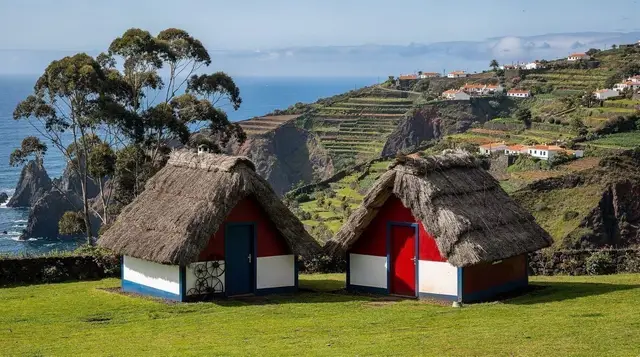
What Madeira actually has is relief. The island is a lump of volcanic rock barely 57 km across that somehow crams in three peaks over 1,800 m, a laurel forest that predates the ice ages, and a network of hand-cut irrigation channels stitched across near-vertical terrain. That’s the real product. Once I stopped looking for a beach holiday and started treating it as a walking and driving destination with excellent food attached, the trip clicked into place.
The thing that actually sold me: levadas and the north-south split
The levadas are the reason I’d go back. They’re not hiking trails in the conventional sense — they’re the maintenance paths beside centuries-old irrigation canals, which means they’re narrow, often unfenced above real drops, and occasionally routed through unlit tunnels. That sounds intimidating written down, but walked with basic care they’re some of the most rewarding low-effort, high-reward routes I’ve done anywhere in Europe: near-flat, following the contour of a valley, with the sound of running water the whole way. If you only have time for one, I’d rather point you to the levada I’d actually recommend than list six here and leave you no clearer than before.
The second thing that sold me is the contrast between the north and south coasts, which you feel on the very first drive. The south, where Funchal sits, is dry, sunny and terraced with vineyards. Cross the central ridge — often through cloud, sometimes through actual rain — and the north is a different island: green, damp, laurel forest tumbling down to black cliffs. That contrast, available in a single day’s drive, is more interesting to me than any single sight on the island. It’s also why I’m wary of anyone who promises you Madeira’s weather in general terms. There isn’t a Madeira forecast. There’s a south forecast, a north forecast, and a mountain forecast, and they routinely disagree with each other on the same afternoon.
Who I wouldn’t send here
I think guides do readers a disservice by pretending every destination suits everyone. Madeira doesn’t.
If you want a beach holiday with minimal effort — sun-lounger, calm water, a five-minute walk from room to sand — go elsewhere. You’ll spend money and goodwill trying to force Madeira into that shape.
If steep terrain and winding roads genuinely worry you, be honest with yourself before booking. Funchal’s streets are steep, most viewpoints sit on slopes, and the coast roads outside the main tunnel route are narrow with real drops. It’s not a dangerous island, but it’s not a flat one either, and a small hire car with a driver comfortable on mountain roads matters more here than almost anywhere else I’ve driven in Europe.
And if your idea of a good trip is ticking off a long list of sights in a short window, Madeira will frustrate you. Distances look short on the map and take far longer in practice, because almost nothing on this island happens on the flat.
Who it’s genuinely great for
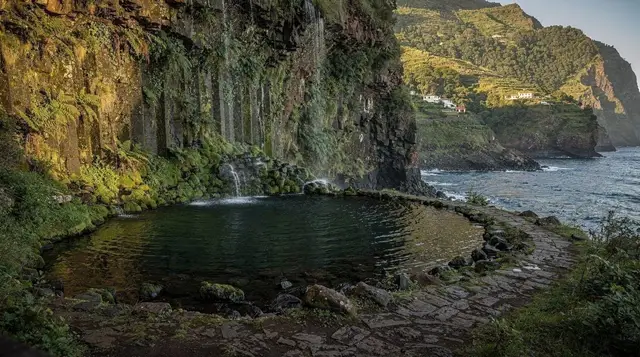
People who like to walk, even at an easy pace. People who don’t mind their itinerary changing because of cloud on the peaks or swell on the ferry crossing. People who’d rather have one very good levada walk and a slow lunch than five rushed photo stops. And people who want a trip that still surprises them after several days — Madeira kept doing that to me, between the lava pools, the cloud-forest, and mountain sunrises that felt genuinely earned rather than staged.
What I’d tell my past self
Book fewer things in advance than you think you need to, because weather will rearrange your plan regardless. Do check when to actually go rather than assuming any month is safe — winter has its own charm but also its own cancellations. Read up on the permit system for the official trails before you arrive, because it’s easy to miss and it changes your daily budget. And resist comparing the island too literally to the Canaries or the Azores — it borrows a little from each but behaves like neither.
If you want the specifics rather than my opinions, our best levada walks guide and common first-timer mistakes cover the practical ground I’ve deliberately left out here. For a single well-built week, our one week in Madeira itinerary is the shape I’d actually follow.
For the mountain side of things, going with someone who knows the terrain took the anxiety out of it for me — a guided hike into the high peaks is a sensible first step if you’re nervous about the exposure on routes like the Arieiro-to-Ruivo ridge.
If you want the classic irrigation-channel walk without route-finding stress, a guided levada walk through the mountain lakes is a gentler introduction. And if you only do one big-ticket thing, I’d put a sunrise tour above the cloud line at Pico do Arieiro above almost anything else on the island — cold, early, and worth every minute of lost sleep.
I still think about Fanal in the fog, the first time the natural pools at Porto Moniz came into view, and standing on the ridge at Pico do Arieiro above a sea of cloud with the sun barely up. None of that made it onto a beach towel. All of it made the trip.
Your questions about whether Madeira is worth it
Is Madeira worth visiting if I don’t hike?
You’ll still find Funchal, the cable car, the wine lodges and the coastal viewpoints worthwhile, but you’ll be seeing a smaller, tamer version of the island. Most of what makes Madeira distinctive sits above the coast road.
Does Madeira have good beaches?
The main island doesn’t, in any conventional sense — you’re mostly looking at natural lava pools, pebbles or imported sand. If beaches are the point of your trip, Porto Santo or a different island altogether will serve you better.
Is Madeira better than the Canary Islands?
They’re not really substitutes. The Canaries do beach holidays better; Madeira does mountain and levada walking better. Picking between them should come down to what you actually want to spend your days doing.
How many days do you need in Madeira?
Five to seven days lets you cover Funchal, one or two levadas, a high mountain walk and a full loop of either the north or west coast without rushing. Anything under four days means picking one region and accepting you’ll miss the rest.
Is Madeira good for non-hikers or people with limited mobility?
It’s a harder trip than it looks. Even the coastal towns involve steep streets, and most of the standout viewpoints and villages sit on slopes rather than flat ground. It rewards people who enjoy walking, even at an easy pace.
Is the weather in Madeira reliable?
No, and that’s part of the deal. The south coast is usually sunny and dry, the north is greener and wetter, and the mountains can be in cloud, cold or clear regardless of what Funchal is doing. Never trust a single forecast for the whole island.
Is Madeira expensive?
It’s generally cheaper than the Canary Islands or mainland Portugal for food and lower-end accommodation, but car hire in high season and headline hiking experiences can push a daily budget to around 150-200 euros per person.
Popular Madeira experiences on GetYourGuide
Verified deep-linked GetYourGuide tours. Book through these links and we earn a small commission at no cost to you.
GetYourGuide does not provide a product photo for this activity — the image shows the meeting point, photographed by us.